
Colourful messes, glitter explosions, and wild imagination – it’s all part of the magic when kids create art. But regular arts and crafts activities aren’t just joyful distractions – they’re actually proven to boost brainpower, nurture emotional wellbeing, and build resilience for life.
That’s why Spencil is thrilled to once again host the annual Spencil Art Prize – a kids art competition celebrating creativity, imagination, and self‑expression for children aged 8 and up across Australia and New Zealand!

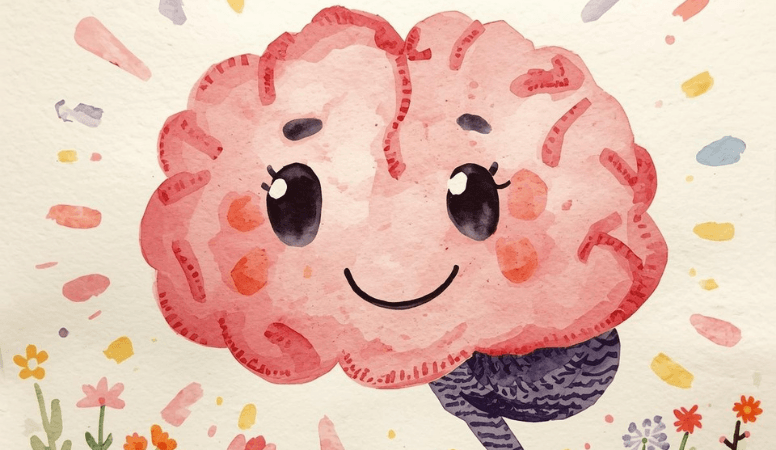
🧠 Building Brains With Brushes and Colour
Art fires up both sides of the brain at once – the creative right and the analytical left. Researchers at University College London found that just 45 minutes of creative activity lowers stress hormones and boosts concentration.
Regular creative expression strengthens:
- Memory and focus: drawing or painting trains attention and recall.
- Fine motor skills: cutting, colouring, and painting refine coordination.
- Problem‑solving: choosing shapes, colours, and layouts enhances flexibility in thinking.
Every time a child experiments with art, they’re wiring their brain to think more creatively and critically.”
Fun fact: Art classes have been linked to better maths and reading performance in children!
💖 Emotional Intelligence Through Art
Art gives feelings a safe way out. A 2018 Harvard Medical School report found that creative expression can lift mood and reduce anxiety in both kids and adults.
When kids make art, they learn to:
- Regulate emotions and calm themselves.
- Build empathy by imagining other perspectives.
- Find joy and mindfulness through simple creative moments.
Even a quick doodle or colouring session can provide a mindful break – a way to quiet busy minds and feel grounded.
Arty hack: Keep a mini art kit at the ready – a few pencils, crayons, and a sketchbook can turn any moment into a creative reset.

💪 Building Resilience & Confidence
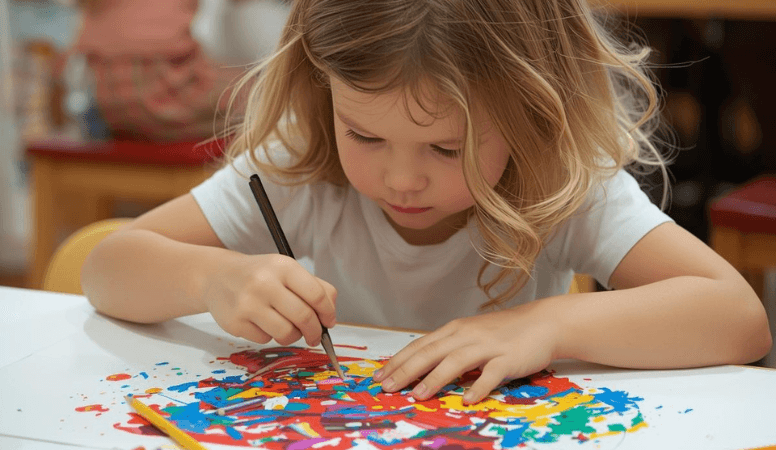
Art teaches kids that mistakes aren’t failures – they’re starting points! When colours blend the ‘wrong’ way or a line goes wobbly, kids learn to adapt and keep going.
That creative problem‑solving helps children develop resilience, patience, and a real growth mindset. And when they enter something like the Spencil Art Prize 2026, they step into the brave world of sharing – learning that creativity is about courage, not perfection.
A child who sees their work celebrated gains confidence that lasts far beyond the canvas.”
🌟 Art and Academic Performance
Creativity doesn’t stop at the art table – it boosts success across school and life. The Arts Education Partnership reviewed over 60 studies and found that students who participate in art programs perform better academically and show stronger social and leadership skills.
That’s because creative learning builds curiosity, persistence, and motivation – turning imagination into real‑world performance.
So next time your child grabs the paints or glitter, remember – they’re not just crafting. They’re building the brain for a bright future.
✨ Enter the Spencil Art Prize 2026

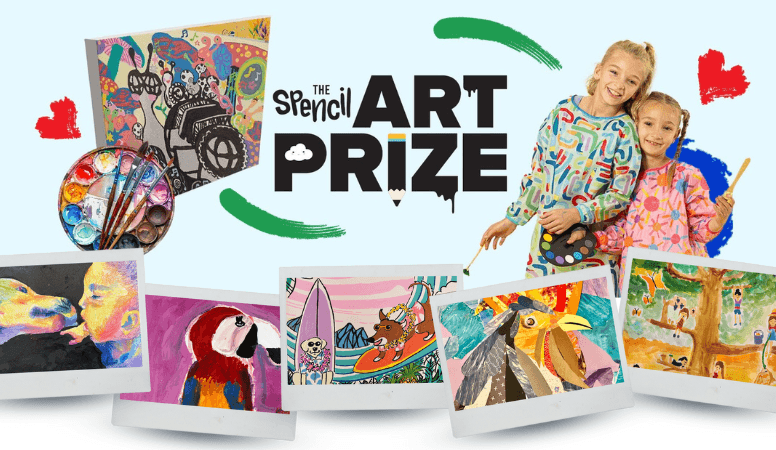
It’s time to bring those creative ideas to life! The Spencil Art Prize 2026 invites Australian kids aged 8+ to showcase their talent for a chance to have their artwork featured on official Spencil products, from backpacks to stationery.
🖌️ Key details:
- Open to children aged 8 and above
- Multiple winners across age categories
- Winning artwork featured on Spencil’s product range
- Entries now open – don’t miss your chance!
👉 Click here to learn more and enter the Spencil Art Prize 2026
Because at Spencil, we believe every sketch, splash, and colourburst helps kids grow – not just as artists, but as imaginative, confident thinkers. 💡🌈
📚 References
- Kaimal, G., Ray, K., & Muniz, J. (2016). Reduction of cortisol levels and participants’ responses following art making. Arts & Health Journal.
- Posner, M. I., & Rothbart, M. K. (2007). Educating the Human Brain. American Psychological Association.
- Harvard Health Publishing (2018). How the Arts Can Benefit Mental Health.
- Arts Education Partnership (2013). Preparing Students for the Next America: The Benefits of an Arts Education.